

Can a carbon steel motor shaft with thread and step be used in a marine environment?
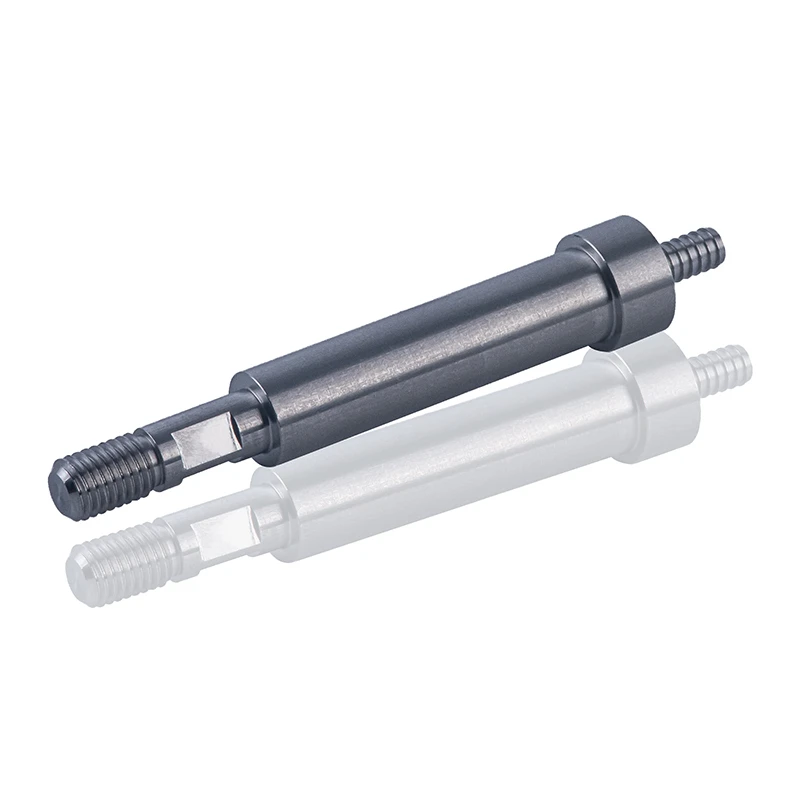
As a supplier of carbon steel motor shafts with thread and step, I often receive inquiries from customers about the suitability of our products for marine applications. The marine environment is a harsh and challenging one, characterized by high humidity, saltwater exposure, and the presence of various corrosive agents. Therefore, it is crucial to carefully evaluate whether a carbon steel motor shaft with thread and step can withstand these conditions.
Properties of Carbon Steel
Carbon steel is a widely used material in the manufacturing of motor shafts due to its excellent mechanical properties, such as high strength, good ductility, and relatively low cost. However, carbon steel is also prone to corrosion, especially in the presence of moisture and salt. When exposed to the marine environment, carbon steel can undergo a process called rusting, which is a form of corrosion that occurs when iron reacts with oxygen and water to form iron oxide (rust).
Challenges in the Marine Environment
The marine environment poses several challenges to the use of carbon steel motor shafts. Firstly, the high humidity and saltwater exposure can accelerate the corrosion process, leading to the formation of rust and pitting on the surface of the shaft. This can weaken the shaft and reduce its mechanical properties, potentially leading to failure. Secondly, the presence of other corrosive agents, such as acids and alkalis, can further exacerbate the corrosion problem. Additionally, the constant movement and vibration in a marine environment can cause stress and fatigue on the shaft, increasing the risk of cracking and failure.
Mitigation Strategies
Despite the challenges, there are several strategies that can be employed to mitigate the corrosion and other issues associated with using carbon steel motor shafts in a marine environment.
Surface Treatment
One of the most effective ways to protect carbon steel motor shafts from corrosion is through surface treatment. There are several types of surface treatments available, including galvanizing, painting, and coating. Galvanizing involves applying a layer of zinc to the surface of the steel, which acts as a sacrificial anode and protects the steel from corrosion. Painting and coating can also provide a protective barrier against moisture and salt, preventing the formation of rust.
Material Selection
In addition to surface treatment, the selection of the right type of carbon steel can also play a crucial role in ensuring the durability of the motor shaft in a marine environment. Some types of carbon steel, such as stainless steel, are more resistant to corrosion than others. Stainless steel contains chromium, which forms a passive oxide layer on the surface of the steel, protecting it from corrosion. However, stainless steel is also more expensive than regular carbon steel, so the cost-benefit ratio needs to be carefully considered.
Design Considerations
The design of the motor shaft can also affect its performance in a marine environment. For example, the use of proper fillets and radii can reduce stress concentrations and prevent cracking. Additionally, the design should allow for easy maintenance and inspection, so that any signs of corrosion or damage can be detected and addressed promptly.
Case Studies
To illustrate the effectiveness of these mitigation strategies, let's look at some case studies of carbon steel motor shafts used in marine applications.
Case Study 1: Galvanized Carbon Steel Shaft
A marine vessel was equipped with a carbon steel motor shaft that was galvanized to protect it from corrosion. After several years of operation in a harsh marine environment, the shaft showed only minor signs of corrosion, and its mechanical properties remained intact. This demonstrates the effectiveness of galvanizing as a corrosion protection method.
Case Study 2: Stainless Steel Shaft
Another marine application involved the use of a stainless steel motor shaft. The shaft was exposed to saltwater and high humidity for an extended period of time, but it showed no signs of corrosion or pitting. This highlights the superior corrosion resistance of stainless steel compared to regular carbon steel.
Conclusion
In conclusion, while carbon steel motor shafts with thread and step can be used in a marine environment, it is important to take appropriate measures to protect them from corrosion and other issues. Surface treatment, material selection, and design considerations are all crucial factors that need to be taken into account. By implementing these strategies, it is possible to ensure the durability and reliability of carbon steel motor shafts in a marine environment.
If you are interested in purchasing Carbon Steel Motor Shaft with Thread and Step for your marine application, please feel free to contact us for further information and to discuss your specific requirements. We are committed to providing high-quality products and excellent customer service, and we look forward to working with you.
References
- ASM Handbook, Volume 13A: Corrosion: Fundamentals, Testing, and Protection. ASM International.
- Marine Corrosion: Causes, Prevention, and Control. CRC Press.
- Corrosion Engineering: Principles and Practice. Wiley.