

Hey there! As a supplier of cnc machining aluminum alloys, I've seen firsthand how crucial it is to pick the right cutting tools for the job. In this blog, I'll share some tips on how to choose the perfect cutting tools for CNC machining aluminum alloys.
Understanding Aluminum Alloys
Before we dive into cutting tools, let's talk a bit about aluminum alloys. Aluminum is a popular choice for CNC machining because it's lightweight, corrosion-resistant, and has good thermal conductivity. There are different types of aluminum alloys, each with its own properties. For example, 6061 aluminum is one of the most commonly used alloys. It's easy to machine, has good strength, and is suitable for a wide range of applications. On the other hand, 7075 aluminum is stronger but a bit more challenging to machine.
Factors to Consider When Choosing Cutting Tools
Material of the Cutting Tool
The material of the cutting tool is super important. For CNC machining aluminum alloys, carbide cutting tools are a great option. Carbide is hard and wear-resistant, which means it can handle the high cutting speeds and feeds required for aluminum machining. High-speed steel (HSS) tools can also be used, especially for less demanding applications. However, carbide tools generally offer better performance and longer tool life.
Tool Geometry
The geometry of the cutting tool plays a big role in how well it cuts aluminum. The rake angle, for example, affects the cutting force and chip formation. A positive rake angle reduces the cutting force and helps in producing small, easily breakable chips. The relief angle is also important. It prevents the tool from rubbing against the workpiece, which can cause overheating and poor surface finish.

Coating
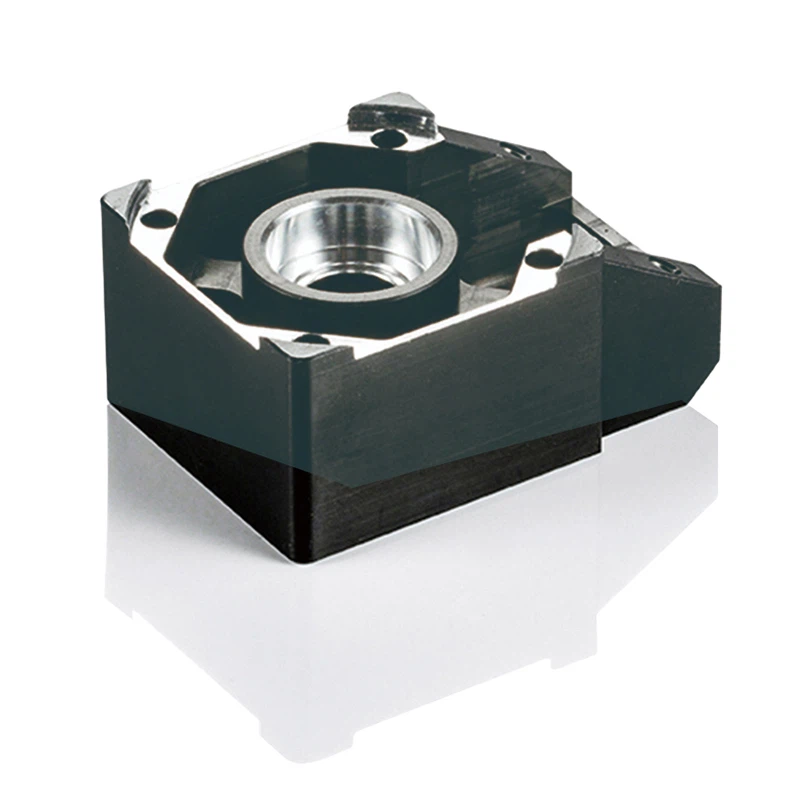
Many cutting tools come with a coating. Coatings can improve the tool's performance in several ways. For aluminum machining, a coating like TiAlN (Titanium Aluminum Nitride) is a popular choice. It reduces friction, increases wear resistance, and can improve the tool's lifespan.
Cutting Speed and Feed Rate
You need to consider the cutting speed and feed rate when choosing a cutting tool. Aluminum alloys can be machined at relatively high speeds. However, the right speed and feed rate depend on the specific alloy, the tool material, and the type of operation. Generally, a higher cutting speed and feed rate can increase productivity, but you need to make sure the tool can handle it without excessive wear.
Types of Cutting Tools for CNC Machining Aluminum Alloys
End Mills
End mills are one of the most commonly used cutting tools for CNC machining aluminum. They come in different shapes and sizes, such as square end mills, ball end mills, and corner radius end mills. Square end mills are great for flat surfaces and slotting. Ball end mills are used for contouring and 3D machining. Corner radius end mills are a good choice when you need to create rounded corners.
Check out our CNC Machined Aluminum Parts for examples of what can be achieved with the right end mills.
Drill Bits
Drill bits are used for making holes in aluminum. High-speed steel drill bits can work well for small holes, but for larger holes or more demanding applications, carbide drill bits are a better option. Carbide drill bits can maintain their sharpness for longer and can drill through aluminum more efficiently.
Turning Tools
If you're doing CNC turning of aluminum alloys, turning tools are essential. They come in different shapes, such as inserts and solid carbide tools. Inserts are popular because they can be easily replaced when they wear out. Solid carbide turning tools offer high precision and long tool life.
Our CNC Turning and Milling Parts showcase the quality that can be achieved with proper turning tools.
Face Mills
Face mills are used for machining large flat surfaces. They have multiple cutting edges, which allows for faster material removal. When choosing a face mill for aluminum, look for one with a positive rake angle and a suitable coating to reduce friction.
Testing and Optimization
Once you've chosen a cutting tool, it's a good idea to do some testing. Start with a small test piece and see how the tool performs. Check the surface finish, the chip formation, and the tool wear. You may need to adjust the cutting speed, feed rate, or other parameters to optimize the machining process.
Conclusion
Choosing the right cutting tools for CNC machining aluminum alloys is a combination of understanding the material, considering the tool's properties, and testing and optimizing the process. By following these tips, you can ensure that you get the best results in terms of productivity, surface finish, and tool life.
If you're interested in our cnc machining aluminum alloys services or have any questions about choosing the right cutting tools, feel free to reach out and start a procurement discussion. We're here to help you get the most out of your CNC machining projects.
References
- "Machining Aluminum Alloys: A Practical Guide" by John Doe
- "Cutting Tool Technology for CNC Machining" by Jane Smith