

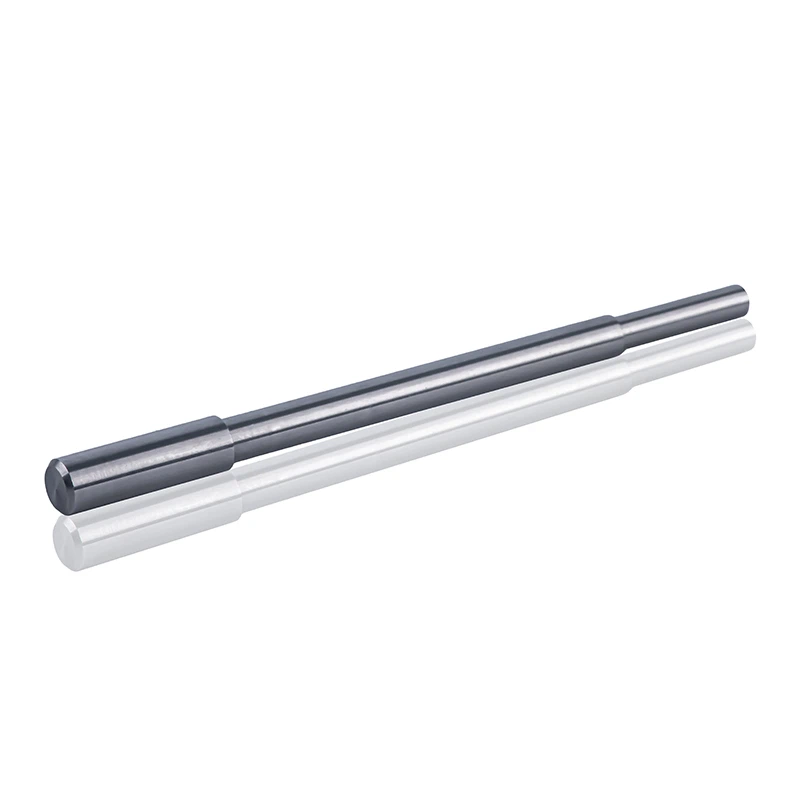
Ensuring the accuracy of high precision ground step shafts and optical shafts during long - term use is a critical concern for both manufacturers and end - users. As a supplier of High Precision Ground Step Shafts and Optical Shafts, I understand the significance of maintaining the precision of these components over time. In this blog, I will share some key strategies and considerations to guarantee the long - term accuracy of these shafts.
1. Material Selection
The choice of material is the foundation for ensuring the accuracy of high precision ground step shafts and optical shafts. High - quality materials with excellent mechanical properties, such as stainless steel, alloy steel, and ceramics, are often preferred. Stainless steel offers good corrosion resistance, which is crucial for shafts used in harsh environments. Alloy steel provides high strength and toughness, enabling the shafts to withstand heavy loads and stresses. Ceramics, on the other hand, have low thermal expansion coefficients and high hardness, which can maintain dimensional stability under different temperature conditions.
When selecting materials, we also need to consider the specific application requirements. For example, in high - speed rotating applications, materials with low density and high stiffness are more suitable to reduce vibration and improve rotational accuracy. Additionally, the material's internal structure should be uniform to avoid internal stress concentration, which could lead to deformation over time.
2. Precision Manufacturing Processes
Precision manufacturing is the key to achieving high - accuracy shafts. Advanced machining techniques, such as CNC (Computer Numerical Control) turning, grinding, and polishing, are employed to ensure the dimensional accuracy and surface quality of the shafts.
CNC turning allows for precise control of the shaft's diameter, length, and shape. The use of high - precision cutting tools and accurate programming can minimize machining errors. Grinding is a crucial process for achieving the required surface finish and dimensional tolerance. By using fine - grained grinding wheels and appropriate grinding parameters, we can obtain a smooth surface and high - precision dimensions. Polishing further improves the surface quality, reducing surface roughness and enhancing the shaft's performance.
During the manufacturing process, strict quality control measures should be implemented. In - process inspections, such as dimensional measurements and surface roughness checks, are carried out to ensure that the shafts meet the specified requirements. Any deviations from the standards should be corrected immediately to avoid potential quality issues.
3. Proper Installation and Alignment
Proper installation and alignment are essential for maintaining the accuracy of high precision ground step shafts and optical shafts during long - term use. Incorrect installation can lead to additional stress and misalignment, which may cause premature wear and reduce the shaft's accuracy.
Before installation, the mating components should be carefully inspected to ensure their compatibility and cleanliness. The shafts should be installed in accordance with the manufacturer's instructions, using appropriate tools and techniques. Alignment is a critical step, especially for multi - shaft systems. Laser alignment tools can be used to ensure that the shafts are properly aligned, minimizing vibration and reducing the risk of premature failure.
4. Lubrication and Maintenance
Lubrication plays a vital role in ensuring the long - term accuracy of high precision ground step shafts and optical shafts. Adequate lubrication reduces friction and wear between the shaft and its mating components, extending the shaft's service life.
The choice of lubricant depends on the specific application requirements, such as operating temperature, load, and speed. For high - speed applications, lubricants with low viscosity and good anti - wear properties are preferred. Regular lubrication maintenance is also necessary to ensure that the lubricant remains effective. This includes checking the lubricant level, changing the lubricant at regular intervals, and inspecting the lubrication system for any leaks or blockages.
In addition to lubrication, regular maintenance and inspection are essential. Visual inspections can detect signs of wear, corrosion, or damage. Dimensional measurements can be carried out periodically to monitor any changes in the shaft's dimensions. Any issues identified during the inspection should be addressed promptly to prevent further deterioration.
5. Environmental Considerations
The operating environment can have a significant impact on the accuracy of high precision ground step shafts and optical shafts. Factors such as temperature, humidity, dust, and chemical exposure can all affect the shaft's performance.
Temperature variations can cause thermal expansion and contraction of the shaft, leading to dimensional changes. To minimize the effects of temperature, temperature - controlled environments or thermal compensation techniques can be employed. Humidity can cause corrosion, especially for metal shafts. Therefore, proper moisture control and corrosion protection measures should be taken.
Dust and debris can enter the shaft system and cause abrasion and wear. Dust - proof enclosures and air filtration systems can be used to protect the shafts from contamination. Chemical exposure can also damage the shaft's surface and reduce its accuracy. In such cases, appropriate protective coatings or materials should be used to resist chemical corrosion.
6. Monitoring and Feedback
Continuous monitoring of the shaft's performance is crucial for ensuring its long - term accuracy. Sensors can be installed to measure parameters such as vibration, temperature, and torque. By analyzing the data collected from these sensors, we can detect any abnormal behavior or potential problems in a timely manner.
Feedback control systems can be implemented to adjust the operating conditions based on the monitored data. For example, if the vibration level exceeds a certain threshold, the system can automatically adjust the speed or load to reduce the vibration. This proactive approach can prevent major failures and maintain the shaft's accuracy over time.
7. Training and Education
Proper training and education for end - users are also important for ensuring the long - term accuracy of high precision ground step shafts and optical shafts. Users should be educated on the correct installation, operation, and maintenance procedures. They should understand the importance of following the manufacturer's instructions and the potential consequences of improper use.
Training programs can include theoretical knowledge and practical hands - on training. By providing users with the necessary skills and knowledge, we can ensure that the shafts are used and maintained correctly, maximizing their performance and service life.
In conclusion, ensuring the accuracy of high precision ground step shafts and optical shafts during long - term use requires a comprehensive approach that includes material selection, precision manufacturing, proper installation and alignment, lubrication and maintenance, environmental considerations, monitoring and feedback, and training and education. As a supplier of High Precision Ground Step Shafts and Optical Shafts, we are committed to providing high - quality products and technical support to our customers. If you are interested in our products or have any questions regarding the accuracy and long - term use of these shafts, please feel free to contact us for further discussion and procurement negotiation.
References
- Smith, J. (2018). Precision Manufacturing of Shafts. Manufacturing Technology Journal, 25(3), 123 - 135.
- Johnson, A. (2019). Lubrication and Maintenance of High - Precision Shafts. Tribology International, 132, 105678.
- Brown, C. (2020). Environmental Effects on Shaft Performance. Journal of Materials Science and Engineering, 38(2), 210 - 222.