

Hey there! As a supplier of CNC machining aluminum alloys, I've seen firsthand the importance of ensuring the parallelism of machined aluminum alloy surfaces. Parallelism is crucial because it directly impacts the functionality, performance, and overall quality of the final product. In this blog, I'll share some tips and tricks on how to achieve and maintain parallelism in CNC machining of aluminum alloys.
Understanding Parallelism in CNC Machining
Before we dive into the how - to, let's quickly understand what parallelism means in the context of CNC machining. Parallelism refers to the condition where two or more surfaces or axes are equidistant from each other along their entire length. In the case of aluminum alloy parts, achieving parallelism ensures that components fit together correctly, reduces wear and tear, and improves the overall efficiency of the machinery they're used in.
Selecting the Right Aluminum Alloy
The first step in ensuring parallelism is choosing the right aluminum alloy. Different alloys have varying properties such as hardness, ductility, and thermal expansion rates. For example, 6061 aluminum alloy is a popular choice for CNC machining due to its good strength - to - weight ratio, excellent machinability, and corrosion resistance. When the alloy is well - suited for the machining process, it's less likely to warp or deform during cutting, which helps maintain parallelism.
Machine Setup and Calibration
Proper machine setup and calibration are essential for achieving parallel surfaces. Here are some key aspects:
- Spindle Alignment: The spindle is the heart of the CNC machine. If it's not aligned correctly, it can cause uneven cutting and result in non - parallel surfaces. Regularly check and calibrate the spindle alignment using precision measuring tools like dial indicators.
- Fixture Installation: The fixture holds the aluminum alloy workpiece in place during machining. Make sure it's installed firmly and accurately on the machine table. Any misalignment in the fixture can transfer to the workpiece, affecting parallelism. You can use shims or precision blocks to ensure the fixture is level and square.
Cutting Tools and Parameters
The choice of cutting tools and the selection of appropriate cutting parameters play a significant role in maintaining parallelism.
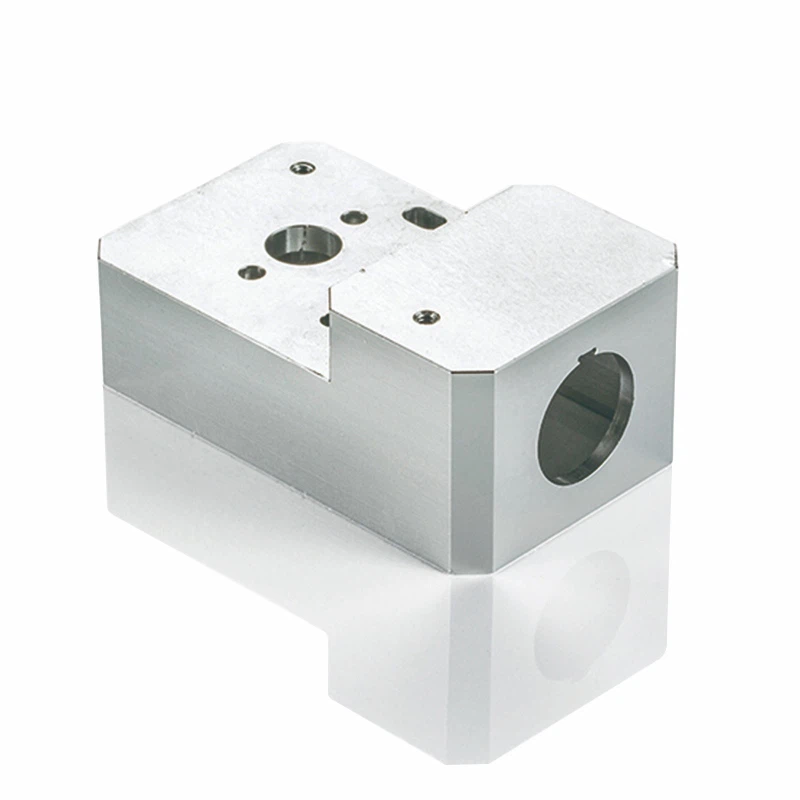

- Tool Selection: Opt for high - quality cutting tools designed specifically for aluminum alloy machining. Carbide end mills are a great choice as they offer good wear resistance and can provide clean cuts. The tool geometry, such as the number of flutes and the helix angle, also affects the cutting performance. For example, a tool with a higher helix angle can help evacuate chips more efficiently, reducing the chances of chip recutting and surface damage.
- Cutting Parameters: Adjust the cutting speed, feed rate, and depth of cut according to the alloy type and tool characteristics. A too - high cutting speed can cause overheating and tool wear, while a too - low feed rate can lead to excessive cutting forces and poor surface finish. Experiment with different parameter settings to find the optimal combination for parallel surface machining.
Measuring and Inspection
Regular measuring and inspection are crucial to ensure parallelism throughout the machining process.
- In - Process Measurement: Use precision measuring instruments like micrometers, calipers, and height gauges to measure the workpiece dimensions during machining. This allows you to detect any deviations early and make necessary adjustments to the cutting parameters or machine setup.
- Post - Machining Inspection: After the machining is complete, perform a thorough inspection using more advanced measuring equipment such as coordinate measuring machines (CMMs). CMMs can provide highly accurate measurements of the surface parallelism and other geometric features, ensuring that the final product meets the required specifications.
Using Advanced Technologies
There are several advanced technologies available that can help improve parallelism in CNC machining of aluminum alloys.
- Automated Tool Compensation: Some CNC machines are equipped with automated tool compensation systems. These systems can adjust the tool path based on real - time measurements, compensating for tool wear and other factors that may affect parallelism.
- High - Speed Machining: High - speed machining techniques can reduce cutting forces and heat generation, resulting in better surface finish and improved parallelism. By using high - speed spindles and optimized cutting strategies, you can achieve more precise and consistent machining results.
Case Studies
Let's take a look at a couple of real - world examples to illustrate the importance of ensuring parallelism.
- Automotive Components: In the automotive industry, many aluminum alloy parts such as engine blocks and transmission housings require high - precision parallel surfaces. If the parallelism is not maintained, it can lead to oil leaks, poor engine performance, and increased noise levels. By following the best practices mentioned above, we were able to produce automotive components with excellent parallelism, meeting the strict quality standards of our customers.
- Aerospace Applications: Aerospace components often have tight tolerances for parallelism due to the critical nature of their operation. For example, wing spars and landing gear parts need to be machined with extreme precision to ensure the safety and performance of the aircraft. Our company has successfully machined aerospace - grade aluminum alloy parts with high parallelism, contributing to the reliability of the aerospace systems.
Related Products
If you're in the market for CNC - machined aluminum alloy products, we offer a range of high - quality options. Check out our Linear Rall System Slide Block Assembly, Custom CNC Machinery Parts - mount Black, and Custom CNC Processing. These products are manufactured with strict quality control to ensure excellent parallelism and other geometric properties.
Conclusion
Ensuring the parallelism of CNC - machined aluminum alloy surfaces is a multi - faceted process that involves careful material selection, proper machine setup, appropriate cutting tools and parameters, and regular measuring and inspection. By following these best practices and leveraging advanced technologies, you can achieve high - precision parallel surfaces that meet the most demanding application requirements.
If you're interested in our CNC - machined aluminum alloy products or have any questions about parallelism in machining, don't hesitate to reach out for a procurement discussion. We're here to help you get the best - quality products for your needs.
References
- "CNC Machining Handbook"
- "Aluminum Alloys: Properties and Applications"
- Industry research papers on precision machining of aluminum alloys