

As a seasoned supplier in the field of CNC machining aluminum alloys, I understand the critical importance of selecting the right CNC machine for this specific task. Aluminum alloys are widely used in various industries due to their excellent properties such as high strength - to - weight ratio, good corrosion resistance, and high thermal conductivity. However, machining aluminum alloys requires a CNC machine that can handle its unique characteristics. In this blog, I'll share some key factors to consider when choosing the right CNC machine for machining aluminum alloys.
1. Machine Type
There are several types of CNC machines available in the market, each with its own advantages and limitations for machining aluminum alloys.
Milling Machines
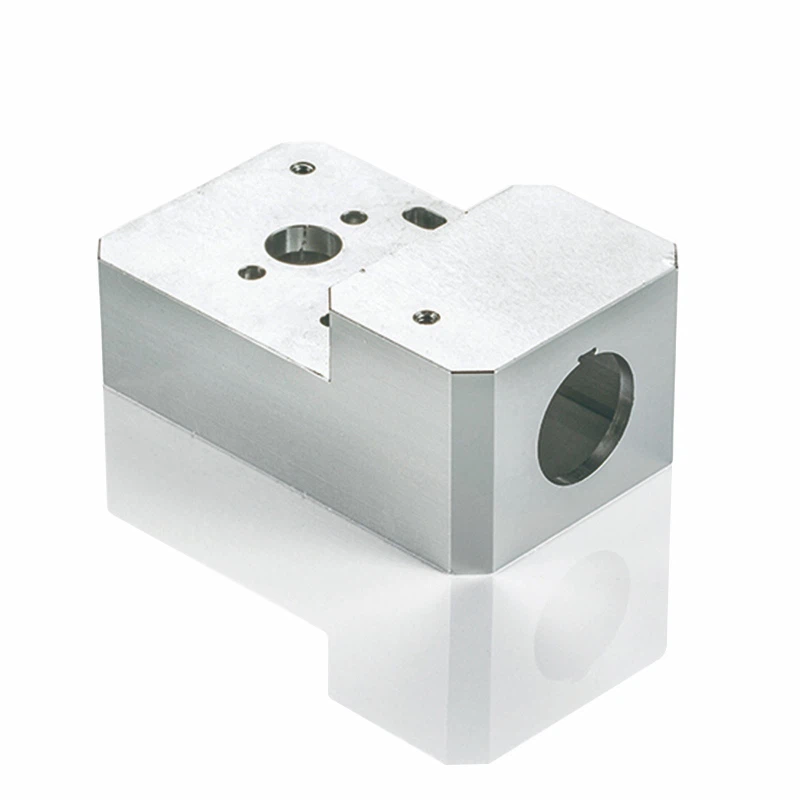
CNC milling machines are very popular for aluminum alloy machining. They can perform a wide range of operations, including face milling, end milling, and contouring. Vertical milling machines are suitable for most general - purpose aluminum alloy machining tasks, especially when working on flat or moderately contoured parts. Horizontal milling machines, on the other hand, are better for large - scale production and can provide better chip evacuation, which is crucial when machining aluminum as it tends to produce long, stringy chips. For example, if you are producing Dual Motion Slide Bearing Housing for Stepper Motor, a CNC milling machine can accurately shape the complex geometries required.

Lathes
CNC lathes are ideal for machining cylindrical or rotational parts made of aluminum alloys. They can perform operations such as turning, facing, and threading. When choosing a lathe for aluminum alloy machining, look for one with a high - speed spindle as aluminum can be machined at relatively high cutting speeds. This helps to increase productivity and achieve better surface finishes.
Machining Centers
Machining centers combine the capabilities of milling, drilling, and tapping in a single machine. They are highly versatile and can handle complex parts with multiple operations. For custom - made aluminum alloy parts like Custom CNC Machinery Parts - mount Black, a machining center can complete the entire manufacturing process in one setup, reducing production time and improving accuracy.
2. Spindle Speed and Power
Aluminum alloys can be machined at high speeds, so the spindle speed of the CNC machine is a crucial factor. A high - speed spindle allows for faster cutting, which can significantly increase productivity. Generally, a spindle speed of at least 8000 RPM is recommended for aluminum alloy machining, but for some applications, speeds of 12000 RPM or higher may be required.
In addition to spindle speed, spindle power is also important. Machining aluminum alloys usually requires less power compared to harder materials, but sufficient power is still needed to ensure smooth cutting, especially when dealing with larger - diameter tools or heavy - duty machining operations. A spindle power of 5 - 15 kW is commonly suitable for most aluminum alloy machining tasks.
3. Feed Rate and Accuracy
The feed rate of the CNC machine determines how fast the cutting tool moves through the material. For aluminum alloys, a relatively high feed rate can be used due to their good machinability. However, it's important to balance the feed rate with the cutting speed and depth of cut to avoid tool wear and poor surface finishes.
Accuracy is another critical aspect, especially when machining high - precision aluminum alloy parts. Look for a CNC machine with high - resolution linear encoders and a rigid machine structure. The positioning accuracy should be within ±0.005 mm or better, and the repeatability should be high to ensure consistent quality across multiple parts. For Custom CNC Processing, where precision is often a top priority, a machine with excellent accuracy is essential.
4. Chip Management
As mentioned earlier, aluminum alloys produce long, stringy chips during machining. Effective chip management is necessary to prevent chips from clogging the cutting area, which can lead to tool breakage, poor surface finishes, and increased cutting forces.
CNC machines with good chip evacuation systems, such as through - spindle coolant and chip conveyors, are highly recommended. Through - spindle coolant can direct coolant to the cutting edge, helping to break up the chips and flush them away. Chip conveyors can quickly remove the chips from the work area, keeping the machining environment clean.
5. Control System
The control system of the CNC machine is the brain that controls all the operations. A user - friendly and advanced control system can make programming and operating the machine much easier. Look for a control system that supports common programming languages such as G - code and has features like graphical programming, tool management, and simulation capabilities.
Some modern control systems also offer advanced features like adaptive control, which can automatically adjust the cutting parameters based on the actual cutting conditions to optimize the machining process. This can be very beneficial when machining aluminum alloys, as it helps to improve productivity and quality.
6. Tooling Compatibility
The CNC machine should be compatible with a wide range of cutting tools suitable for aluminum alloy machining. Carbide tools are commonly used for machining aluminum due to their high hardness and wear resistance. The machine should have a tool changer that can hold a sufficient number of tools to perform different operations without the need for frequent manual tool changes.
In addition, the tooling system should allow for easy tool installation and adjustment to ensure accurate and efficient machining.
7. Machine Rigidity and Stability
A rigid and stable machine structure is essential for high - quality aluminum alloy machining. During the cutting process, the machine should be able to withstand the cutting forces without significant vibrations. Vibrations can cause poor surface finishes, tool wear, and reduced accuracy.
Look for a machine with a heavy - duty frame and well - designed structural components. The linear guides and ball screws should be of high quality to ensure smooth and precise movement.
8. After - Sales Support
Finally, consider the after - sales support provided by the machine manufacturer. A reliable manufacturer should offer technical support, training, and maintenance services. This is especially important if you are new to CNC machining or if you encounter any problems with the machine during operation.
When choosing a CNC machine for machining aluminum alloys, it's important to evaluate all these factors based on your specific production requirements. Whether you are a small - scale workshop or a large - scale manufacturing plant, selecting the right machine can have a significant impact on your productivity, quality, and profitability.
If you are in the market for a CNC machine for machining aluminum alloys or have any questions about our CNC machining services, we are here to help. We have extensive experience in CNC machining aluminum alloys and can provide you with professional advice and high - quality products. Feel free to contact us to start a discussion about your procurement needs.
References
- "CNC Machining Handbook" by John Doe
- "Aluminum Alloys: Properties and Machining" by Jane Smith
- Industry reports on CNC machining technology and aluminum alloy applications