

As a provider of Carbon Steel Motor Shaft with Thread and Step, I understand the importance of proper cleaning for these components. A clean motor shaft not only enhances its performance but also extends its service life. In this blog, I'll share some effective methods on how to clean a carbon steel motor shaft with thread and step.
Understanding the Carbon Steel Motor Shaft with Thread and Step
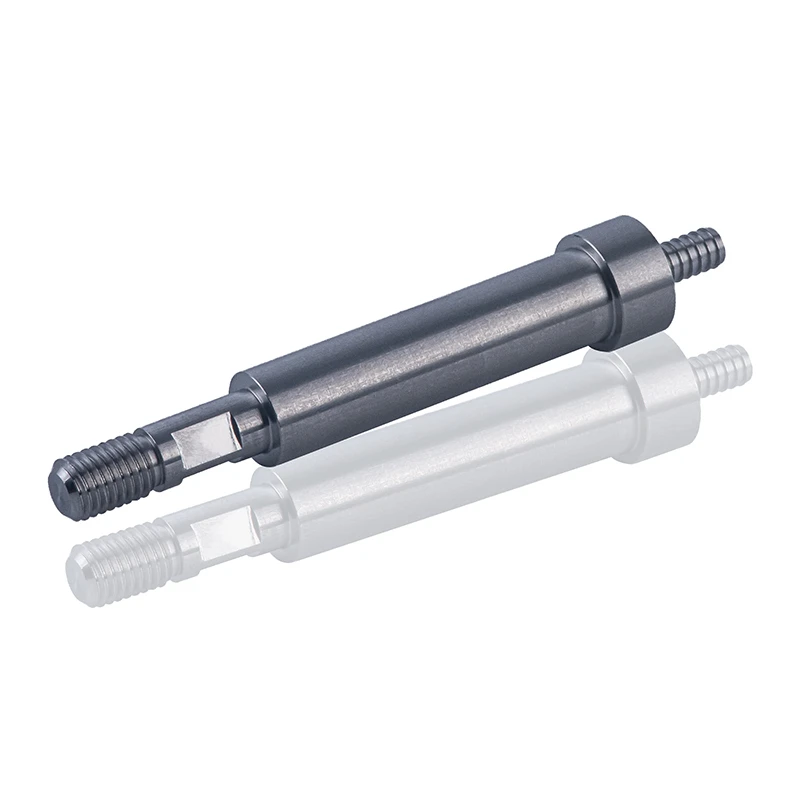
Before diving into the cleaning process, it's crucial to understand the nature of the Carbon Steel Motor Shaft with Thread and Step. Carbon steel is known for its durability and strength, but it is also prone to corrosion and the accumulation of dirt, grease, and other contaminants. The threads and steps on the shaft add complexity to the cleaning process as they can trap debris.
Pre - cleaning Inspection
The first step in cleaning the carbon steel motor shaft is to conduct a thorough inspection. This helps in identifying the type and extent of contamination. Look for visible signs of dirt, rust, or any other foreign materials on the surface, threads, and steps. If there are any signs of damage, such as scratches or dents, note them down as they may require special attention during the cleaning process.
Gathering the Necessary Tools and Cleaning Agents
To clean the carbon steel motor shaft effectively, you'll need the following tools and cleaning agents:
- Brushes: Soft - bristled brushes are ideal for gently removing loose dirt and debris from the surface, threads, and steps. A wire brush can be used for more stubborn rust and grime, but be careful not to scratch the surface of the shaft.
- Solvents: Depending on the type of contamination, you can choose an appropriate solvent. For general dirt and grease, a mild degreaser can be used. For rust removal, a rust dissolver may be necessary.
- Cleaning Cloths: Use clean, lint - free cloths to wipe the shaft after cleaning. This helps in removing any remaining cleaning agents and drying the shaft.
- Gloves: Wear gloves to protect your hands from the cleaning agents and any sharp edges on the shaft.
Cleaning the Shaft Surface
- Remove Loose Debris: Start by using a soft - bristled brush to gently brush off any loose dirt, dust, or debris from the surface of the shaft. Pay special attention to the threads and steps, as these areas can easily trap debris.
- Apply the Cleaning Agent: If there is grease or oil on the shaft, apply a mild degreaser to a clean cloth and gently wipe the surface. For more stubborn grease, you can soak a cloth in the degreaser and let it sit on the affected area for a few minutes before wiping.
- Scrubbing: For rust or more stubborn contaminants, use a wire brush to gently scrub the affected areas. Be careful not to apply too much pressure, as this can damage the surface of the shaft. If using a rust dissolver, follow the manufacturer's instructions carefully. Apply the rust dissolver to the rusty areas and let it sit for the recommended time before scrubbing.
- Rinsing: After scrubbing, rinse the shaft thoroughly with clean water to remove any remaining cleaning agents and debris. Make sure to dry the shaft completely using a clean, lint - free cloth.
Cleaning the Threads and Steps
- Thread Cleaning: Use a thread brush or a small, soft - bristled brush to clean the threads. Gently brush along the threads to remove any dirt or debris. You can also use a cotton swab dipped in a cleaning solvent to clean hard - to - reach areas in the threads.
- Step Cleaning: For the steps on the shaft, use a small brush to clean the edges and corners. Pay attention to any recessed areas where dirt may accumulate. If necessary, use a toothpick or a small tool to remove debris from these areas.
- Final Rinse and Drying: After cleaning the threads and steps, rinse the shaft again with clean water and dry it thoroughly. Make sure there is no moisture left on the shaft, as this can lead to rusting.
Post - cleaning Treatment
- Lubrication: Once the shaft is clean and dry, apply a light coat of lubricant to the threads and the surface of the shaft. This helps in preventing rust and reducing friction during operation.
- Inspection: Conduct a final inspection of the shaft to ensure that it is clean and free of any remaining contaminants. Check the threads and steps for any signs of damage or wear.
Importance of Regular Cleaning
Regular cleaning of the carbon steel motor shaft with thread and step is essential for maintaining its performance and longevity. Dirt, grease, and rust can cause increased friction, which can lead to premature wear and tear of the shaft and other components in the motor. By cleaning the shaft regularly, you can prevent these issues and ensure smooth operation of the motor.
Contact for Purchase and Consultation
If you are in the market for high - quality Carbon Steel Motor Shaft with Thread and Step or need more information on cleaning and maintenance, feel free to reach out. Our team of experts is ready to assist you with your specific requirements. We offer customized solutions to meet your unique needs and ensure that you get the best - performing motor shafts for your applications.
References
- "Handbook of Carbon Steel Materials" - A comprehensive guide on the properties and applications of carbon steel.
- "Motor Maintenance and Repair Manual" - Provides detailed information on the maintenance and cleaning of motor components.