

Hey there! As a supplier of CNC machining aluminum alloys, I often get asked about the recommended cutting parameters for high - speed CNC machining of aluminum alloys. It's a crucial topic, and I'm here to share some insights based on our experience in the industry.
First off, let's talk about why high - speed CNC machining of aluminum alloys is so popular. Aluminum alloys are lightweight, have good corrosion resistance, and are relatively easy to machine. High - speed CNC machining allows us to produce parts quickly and with high precision, which is great for both prototyping and large - scale production.
Cutting Speed
The cutting speed is one of the most important parameters in high - speed CNC machining. For aluminum alloys, a higher cutting speed generally leads to better surface finish and higher productivity. However, we need to find the right balance. If the cutting speed is too high, it can cause excessive tool wear, heat generation, and even damage to the workpiece.
Typically, for common aluminum alloys like 6061 and 7075, the cutting speed can range from 1000 to 3000 surface feet per minute (SFM). For example, when machining 6061 aluminum, a cutting speed of around 1500 - 2000 SFM is often a good starting point. But this can vary depending on the specific alloy, the tool material, and the machining operation.
If you're using a carbide tool, you can usually go for a higher cutting speed compared to a high - speed steel (HSS) tool. Carbide tools are more heat - resistant and can withstand the high - speed cutting conditions better.
Feed Rate
The feed rate is another key parameter. It refers to the distance the tool travels per revolution. A proper feed rate is essential for efficient machining. If the feed rate is too low, it can lead to long machining times and poor chip evacuation. On the other hand, if it's too high, it can cause rough surface finish and tool breakage.
For high - speed CNC machining of aluminum alloys, the feed rate can be in the range of 0.002 to 0.01 inches per tooth (IPT). For instance, if you're using a 4 - flute end mill, and the feed rate is set at 0.005 IPT, the total feed per revolution would be 4 * 0.005 = 0.02 inches.

The feed rate also depends on the cutting speed. Generally, as the cutting speed increases, the feed rate can be increased slightly, but we need to make sure the tool can handle the load.
Depth of Cut
The depth of cut is the thickness of the material removed in one pass. In high - speed CNC machining of aluminum alloys, we usually prefer a relatively shallow depth of cut. A depth of cut between 0.02 and 0.1 inches is common.
A shallower depth of cut reduces the cutting force and heat generation, which helps to protect the tool and improve the surface finish. However, if the depth of cut is too shallow, it can increase the number of passes required, which may slow down the machining process.
Tool Selection
The choice of tool is also crucial. For high - speed CNC machining of aluminum alloys, carbide end mills are a popular choice. They offer high hardness, good wear resistance, and can handle high cutting speeds.
There are different types of carbide end mills, such as square end mills, ball end mills, and corner radius end mills. The choice depends on the specific machining operation. For example, square end mills are great for flat surfaces and slotting, while ball end mills are suitable for contouring and 3D machining.
Coolant and Lubrication
Using coolant or lubricant is important in high - speed CNC machining. Coolant helps to reduce heat, flush away chips, and improve the tool life. For aluminum alloys, a water - based coolant is often used. It provides good cooling and lubrication properties.
Some coolants also have anti - corrosion additives, which can protect the workpiece and the machine. However, we need to make sure the coolant is compatible with the aluminum alloy and the tool material.
Machining Strategies
In addition to the cutting parameters, the machining strategy also plays a role. For example, using a climb milling strategy can be beneficial in high - speed CNC machining of aluminum alloys. Climb milling reduces the cutting force and can improve the surface finish.
We can also use adaptive machining strategies, which adjust the cutting parameters based on the real - time conditions during machining. This helps to optimize the machining process and improve the overall efficiency.
Real - World Applications
At our company, we've used these cutting parameters in various projects. For example, we've worked on Custom CNC Processing for aerospace components. By using the right cutting parameters, we were able to produce high - quality parts with tight tolerances.
We've also been involved in CNC Small Parts Manufacturing. The high - speed CNC machining of aluminum alloys allowed us to produce small parts quickly and accurately.
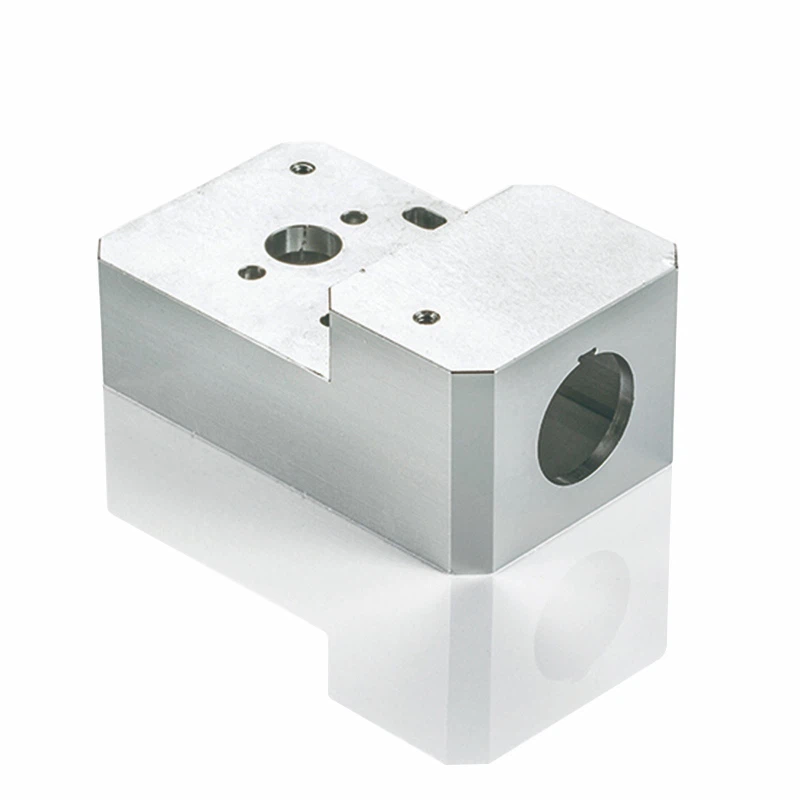
And of course,CNC Machined Aluminum Parts are our specialty. We can produce a wide range of aluminum parts for different industries, from automotive to electronics.
Conclusion
In conclusion, the recommended cutting parameters for high - speed CNC machining of aluminum alloys involve finding the right balance between cutting speed, feed rate, depth of cut, tool selection, and coolant usage. By following these guidelines, we can achieve high - quality machining results, improve productivity, and reduce costs.
If you're in the market for CNC machined aluminum parts, we'd love to have a chat. Whether you need custom parts or small - scale production, we have the expertise and the equipment to meet your needs. Feel free to reach out for more information and to discuss your project requirements.
References
- "Machining Aluminum Alloys: A Practical Guide", Industrial Press Inc.
- "High - Speed Machining Handbook", Society of Manufacturing Engineers