

Hey there! I'm a supplier in the business of CNC machining aluminum alloys. One of the most common challenges we face when it comes to CNC machined aluminum alloy plates is achieving top - notch flatness. Flatness is super important as it can directly affect the performance and quality of the final product. So, in this blog, I'm gonna share some tips on how to improve the flatness of CNC machined aluminum alloy plates.
1. Material Selection
First things first, the choice of aluminum alloy material plays a huge role. Different aluminum alloys have different mechanical properties and internal stress distributions. For example, 6061 aluminum alloy is a popular choice because it has good machinability and relatively low internal stress. When you pick a material, make sure it's of high quality and has been properly heat - treated. A well - heat - treated aluminum alloy will have more stable internal structures, which helps in reducing deformation during machining.
Some suppliers might try to cut corners by using low - quality materials, but trust me, it's not worth it in the long run. You might save a little bit of money upfront, but you'll end up with more rejects due to poor flatness. So, always go for reliable material suppliers and check the material certificates to ensure you're getting the right stuff.
2. Machine Tool Accuracy
The accuracy of your CNC machine is crucial. A machine with poor accuracy can't produce flat aluminum alloy plates no matter how good your other processes are. Regular maintenance of the CNC machine is a must. This includes checking and adjusting the linear guideways, ball screws, and spindles.

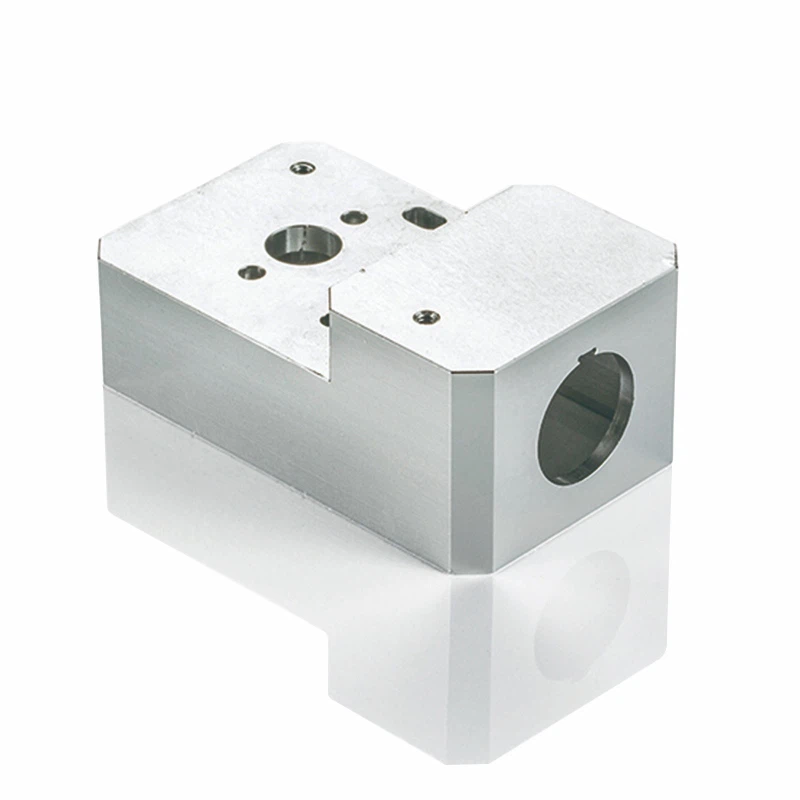
The Linear Rall System Slide Block Assembly is an important part of the machine. If it's not working properly, it can cause the cutting tool to move unevenly, leading to uneven machining and poor flatness. Make sure to clean and lubricate it regularly according to the manufacturer's instructions.
Also, calibrate your machine regularly. This helps to ensure that the machine's axes are moving precisely as they should. You can use laser interferometers or other high - precision measuring tools for calibration. A well - calibrated machine will give you more consistent results and better flatness.
3. Cutting Parameters
Getting the right cutting parameters is like finding the sweet spot. If the cutting speed is too high, it can generate a lot of heat, which causes the aluminum alloy to expand and deform. On the other hand, if the cutting speed is too low, it can lead to a rough surface finish and might also cause the tool to wear out faster.
The feed rate is another important factor. A high feed rate can cause the tool to cut too aggressively, resulting in uneven cuts and poor flatness. You need to find a balance between the cutting speed, feed rate, and depth of cut. Usually, it takes some trial and error to figure out the best parameters for a particular aluminum alloy and machining operation.
For example, when rough machining, you can use a relatively high feed rate and depth of cut to remove most of the material quickly. But when it comes to finishing, you should reduce the feed rate and depth of cut to get a smooth and flat surface.
4. Tool Selection
The type of cutting tool you use can significantly impact the flatness of the machined plate. Carbide tools are often a good choice for machining aluminum alloys because they are hard and can maintain their cutting edge for a long time.
The geometry of the tool is also important. A tool with a proper rake angle, clearance angle, and cutting edge radius can cut the material more smoothly, reducing the chances of surface irregularities. Make sure to use sharp tools. A dull tool can cause excessive cutting forces, which can lead to deformation of the workpiece and poor flatness.
When you're selecting a tool, consider the specific requirements of your machining operation. For example, if you're doing a lot of face milling, a face mill with multiple inserts can give you a better surface finish and flatness.
5. Fixturing
Proper fixturing is essential to hold the aluminum alloy plate firmly in place during machining. If the workpiece moves even slightly during the cutting process, it can ruin the flatness.
Use fixtures that distribute the clamping forces evenly across the plate. Avoid over - clamping, which can cause the plate to deform. You can use soft jaws or other types of fixtures that won't damage the surface of the aluminum alloy.
Also, make sure the fixture is clean and free of any debris. Even a small piece of dirt or chip between the fixture and the workpiece can cause uneven clamping and affect the flatness.
6. Machining Process Planning
A well - planned machining process can make a big difference in achieving good flatness. Start with rough machining to remove most of the excess material. This helps to relieve the internal stress in the material. After rough machining, let the workpiece rest for a while to allow the internal stress to stabilize.
Then, move on to semi - finishing and finishing operations. When finishing, use light cuts to get a smooth and flat surface. You can also use a strategy like climb milling, which can reduce the cutting forces and improve the surface finish.
7. Measuring and Inspection
Regular measuring and inspection are necessary to ensure the flatness of the machined aluminum alloy plates. You can use tools like surface plates, dial indicators, or 3D scanners to measure the flatness.
Measure the plate at multiple points to get an accurate assessment of its flatness. If you find any areas with poor flatness, you can make adjustments to your machining process accordingly. For example, if you notice that one side of the plate is higher than the other, you might need to check the tool wear, the machine's alignment, or the clamping force.
8. Post - machining Treatment
After machining, you can perform some post - machining treatments to improve the flatness. Stress - relieving heat treatment is one option. This process helps to reduce the internal stress in the material, which can prevent further deformation over time.
Another option is to use a surface grinding process. Surface grinding can remove any small irregularities on the surface of the plate and improve its flatness. However, this process adds an extra step and cost, so you need to consider whether it's worth it for your specific application.
Conclusion
Improving the flatness of CNC machined aluminum alloy plates is a multi - step process that involves careful material selection, proper machine tool maintenance, correct cutting parameters, and more. By following these tips, you can significantly improve the quality of your machined plates and reduce the number of rejects.
If you're in the market for CNC Machined Aluminum Parts or need Custom CNC Processing, I'd love to have a chat with you. We've got the expertise and experience to provide you with high - quality aluminum alloy parts with excellent flatness. Don't hesitate to reach out and start a procurement discussion.
References
- "CNC Machining Handbook"
- "Aluminum Alloys: Properties and Applications"
- Manufacturer's manuals for CNC machines and cutting tools