

Hey there! As a supplier of high precision ground step shafts and optical shafts, I've seen firsthand how the step design can have a huge impact on the performance of these shafts. In this blog, I'm gonna break down the effects of step design on the performance of high precision ground step shafts.
1. Understanding Step Design in High Precision Ground Step Shafts
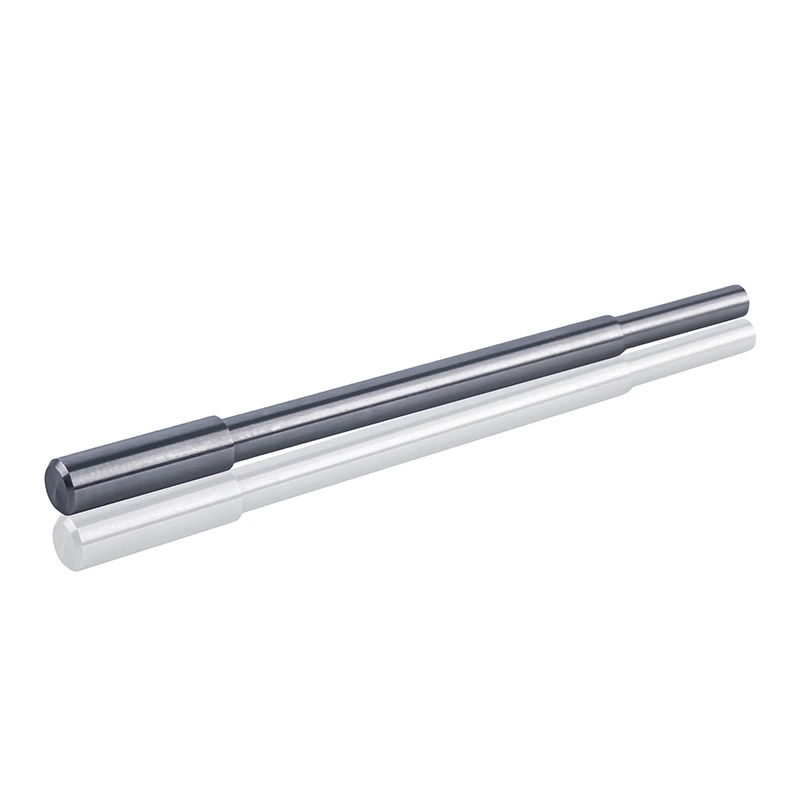
First off, let's talk about what step design means in the context of high precision ground step shafts. A step shaft is a shaft with different diameters along its length, creating steps. These steps are carefully designed based on the specific requirements of the application.
The step design can vary in terms of the number of steps, the diameter differences between steps, and the length of each step. For example, in some applications, a shaft might have just one or two steps, while in others, it could have multiple steps. The diameter differences between steps can also range from small to large, depending on what the shaft needs to do.
2. Impact on Mechanical Strength
One of the most significant effects of step design is on the mechanical strength of the shaft. When a shaft has well - designed steps, it can distribute stress more evenly. For instance, if a shaft is subjected to a load, the steps can act as stress - relieving points. A shaft with a sudden change in diameter (a poorly designed step) can create stress concentrations. These stress concentrations can lead to premature failure of the shaft, especially under high - load conditions.
Let's say we have a high - precision ground step shaft used in a machine tool. If the step design is optimized, the shaft can handle the cutting forces more effectively. The steps can be designed in such a way that the stress is spread out across the different sections of the shaft, reducing the risk of breakage.
On the other hand, a shaft with a step design that doesn't account for stress distribution might experience fatigue cracks at the step transitions. This can lead to costly downtime and repairs. So, a good step design is crucial for ensuring the long - term mechanical integrity of the shaft.
3. Influence on Rotational Performance
The step design also plays a big role in the rotational performance of high precision ground step shafts. When a shaft rotates, any imbalance can cause vibrations. The step design can either contribute to or mitigate this imbalance.
If the steps are symmetrically designed around the axis of rotation, it helps to maintain balance. For example, in an electric motor application, a well - balanced step shaft reduces vibrations, which in turn reduces noise and wear on the bearings. This not only improves the overall performance of the motor but also extends its lifespan.
However, if the step design is off - center or has irregularities, it can create an imbalance. This imbalance can lead to excessive vibrations, which can cause damage to the shaft itself, as well as other components in the system. So, a proper step design is essential for smooth and efficient rotational performance.
4. Effect on Manufacturing Process
The step design can also impact the manufacturing process of high precision ground step shafts. Different step designs require different machining techniques. For example, a shaft with a simple step design might be easier to machine compared to one with multiple complex steps.
When machining a step shaft, the precision of the step dimensions is crucial. A well - designed step allows for more accurate machining. If the step design is too complex or has tight tolerances, it can increase the difficulty of machining and the likelihood of errors.
In our experience as a supplier of High Precision Ground Step Shafts and Optical Shafts, we've found that working closely with customers to understand their step design requirements is key. This way, we can ensure that the manufacturing process is optimized for the specific step design, resulting in high - quality shafts.
5. Compatibility with Other Components
Another important aspect is the compatibility of the step shaft with other components in the system. The step design needs to be compatible with the mating parts, such as bearings, gears, and couplings.
For example, if a step shaft is used in a gearbox, the step design should be such that it can properly engage with the gears. The diameter and length of the steps need to match the requirements of the gears to ensure smooth power transmission. If the step design is not compatible, it can lead to misalignment, increased wear, and reduced efficiency.
In addition, the step design can also affect the installation process. A well - designed step shaft can be easily installed in the system, while a poorly designed one might require additional modifications or cause difficulties during installation.
6. Customization and Application - Specific Design
One of the great things about high precision ground step shafts is the ability to customize the step design based on specific applications. Different industries have different requirements for their shafts.
For the aerospace industry, for example, weight and strength are critical factors. The step design can be optimized to reduce weight while maintaining the necessary strength. In the medical industry, precision and cleanliness are top priorities. The step design can be tailored to meet these requirements, such as having smooth surfaces and precise dimensions.
As a supplier, we work closely with our customers to understand their unique needs and design step shafts that are perfectly suited for their applications. This customization ensures that the shafts perform at their best in the specific environment they are used in.
7. Conclusion and Call to Action
In conclusion, the step design of high precision ground step shafts has a profound effect on their performance. It impacts mechanical strength, rotational performance, manufacturing process, compatibility with other components, and can be customized for specific applications.
If you're in the market for high precision ground step shafts or optical shafts, and you're looking for a supplier who understands the importance of step design, we're here to help. We have the expertise and experience to design and manufacture shafts that meet your exact requirements. Whether you need a simple step design or a complex one, we can work with you to ensure you get the best - performing shafts for your application.
Don't hesitate to reach out to us to discuss your needs and start a procurement conversation. We're ready to provide you with high - quality products and excellent service.
References
- Smith, J. (2018). "Advanced Shaft Design for High - Precision Applications". Journal of Mechanical Engineering.
- Johnson, A. (2019). "The Impact of Step Design on Shaft Performance". International Journal of Manufacturing Technology.
- Brown, C. (2020). "Customized Shaft Design for Specific Industries". Manufacturing Insights.