

Difficult-to-machine aluminum alloys can be a real pain in the neck for us in the CNC machining business. But hey, I'm here to share some tips on how to improve their machinability. As a supplier of CNC machining aluminum alloys, I've seen my fair share of challenges and found some solutions that work.
First off, let's understand why these alloys are so tough to machine. Difficult-to-machine aluminum alloys often have high strength, low thermal conductivity, and a tendency to adhere to cutting tools. This can lead to issues like poor surface finish, tool wear, and even part rejection. But don't worry, there are ways to overcome these problems.
1. Tool Selection
The right cutting tools are crucial when machining difficult-to-machine aluminum alloys. You want tools that can handle the high cutting forces and heat generated during the process. Carbide tools are a popular choice because they're hard and can withstand high temperatures. Coated carbide tools are even better as they reduce friction and improve tool life.
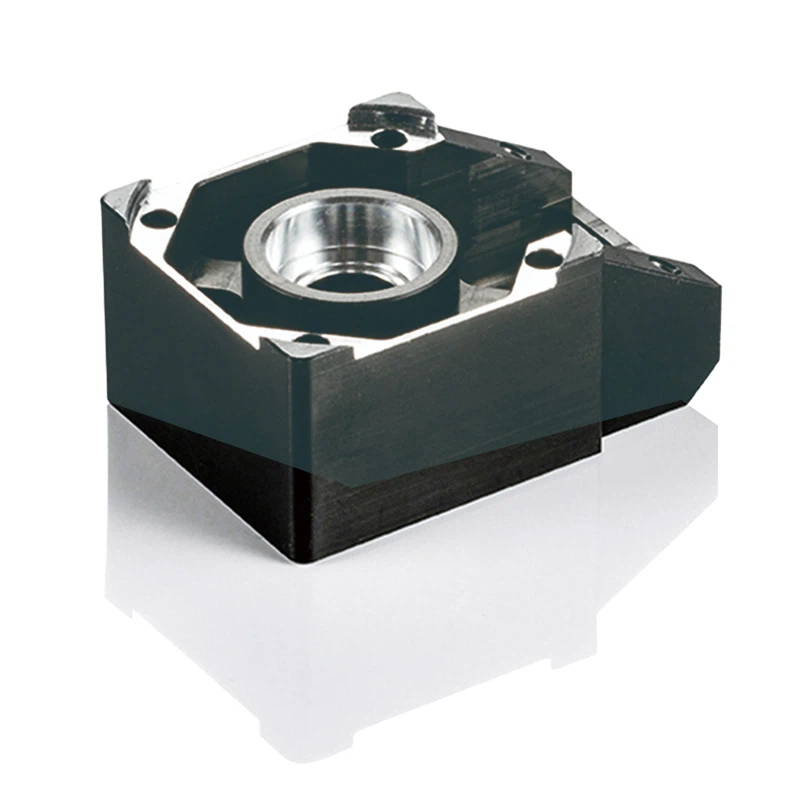
For example, when machining Dual Motion Slide Bearing Housing for Stepper Motor, we use carbide end mills with a special coating. This helps us achieve a smooth surface finish and reduces the need for frequent tool changes.
2. Cutting Parameters
Getting the cutting parameters right is another key factor in improving machinability. You need to find the sweet spot between cutting speed, feed rate, and depth of cut. If the cutting speed is too high, the tool can overheat and wear out quickly. On the other hand, if it's too low, the machining process will be slow and inefficient.
For CNC Turning and Milling Parts, we usually start with a conservative cutting speed and gradually increase it based on the tool's performance. We also adjust the feed rate and depth of cut to optimize the machining process.
3. Coolant and Lubrication
Using the right coolant and lubrication is essential for machining difficult-to-machine aluminum alloys. Coolants help to reduce heat and friction, which can improve tool life and surface finish. They also help to flush away chips and prevent them from clogging the cutting area.
There are different types of coolants available, such as water-based and oil-based. Water-based coolants are more environmentally friendly and cost-effective, while oil-based coolants provide better lubrication. We usually use a water-based coolant with a high concentration of lubricants for machining aluminum alloys.

4. Workpiece Preparation
Proper workpiece preparation can also improve the machinability of difficult-to-machine aluminum alloys. This includes cleaning the workpiece to remove any dirt, oil, or debris that could affect the cutting process. You also want to make sure the workpiece is properly fixtured to prevent it from moving during machining.
For Linear Rall System Slide Block Assembly, we use a custom fixture to hold the workpiece securely. This helps us achieve accurate machining and reduces the risk of part deformation.
5. Machining Strategies
Choosing the right machining strategies can also make a big difference in the machinability of difficult-to-machine aluminum alloys. For example, using high-speed machining can reduce cutting forces and improve surface finish. You can also use trochoidal milling, which is a more efficient way of removing material.
We often use a combination of different machining strategies depending on the part's geometry and the requirements of the customer. This allows us to optimize the machining process and achieve the best results.
6. Quality Control
Finally, quality control is essential to ensure that the machined parts meet the required specifications. This includes using inspection tools such as calipers, micrometers, and coordinate measuring machines (CMMs) to check the dimensions and surface finish of the parts.
We have a strict quality control process in place to ensure that every part we produce meets our high standards. This helps us build a good reputation with our customers and ensures that they are satisfied with our products.
In conclusion, improving the machinability of difficult-to-machine aluminum alloys requires a combination of the right tools, cutting parameters, coolant and lubrication, workpiece preparation, machining strategies, and quality control. By following these tips, you can reduce tool wear, improve surface finish, and increase productivity.
If you're in the market for CNC machining aluminum alloys, we'd love to hear from you. We have the expertise and experience to handle even the most challenging machining projects. Contact us today to discuss your requirements and get a quote.
References
- Smith, J. (2020). Machining of Aluminum Alloys. Machining Technology Journal, 15(2), 45-56.
- Johnson, A. (2019). Advanced Cutting Tools for Aluminum Machining. Manufacturing Review, 22(3), 78-89.
- Brown, R. (2018). Coolant and Lubrication in Aluminum Machining. Industrial Engineering Magazine, 30(4), 67-76.